
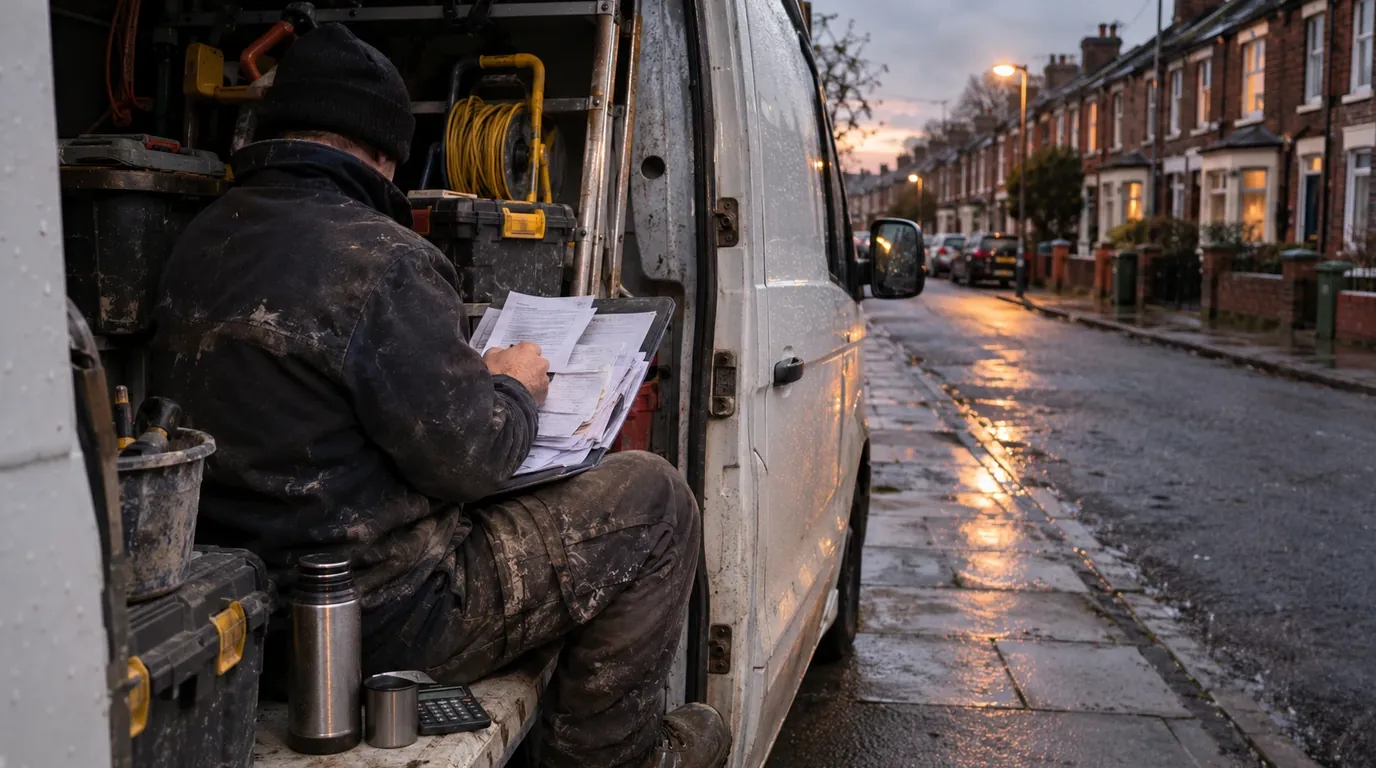
If you take all of your profit out each year, a sole trader keeps more than a one-person limited company at every profit level we tested in 2026/27, from £20,000 to £200,000, in England, Wales and Northern Ireland. The gap is £894 at £20,000 of profit, just £20 at £60,000 and £4,101 at £100,000. Dividend tax rose by 2 percentage points on 6 April 2026 (to 10.75% and 35.75%), and that was enough to close the company’s old advantage.
A company still comes out ahead in three situations: when you leave profit in the company instead of taking it all, when the company pays into your pension, and in Scotland, where profits of about £50,000 to £75,000 and around £125,000 tip the other way. Budget 2026 (28 October 2026) left every rate in this comparison unchanged for 2027/28, so the same numbers hold next year.
This is general information, not tax advice. Your own answer depends on your other income, pension, student loan and how much you need to live on, so run your own figures or ask an accountant before you change structure.
The rates that decide it (2026/27)
| What | Sole trader | Limited company | Source |
|---|---|---|---|
| Tax on the business profit | Income Tax 20% / 40% / 45% after the £12,570 Personal Allowance | Corporation Tax 19% up to £50,000, 25% over £250,000, marginal relief between | HMRC; GOV.UK Corporation Tax rates |
| National Insurance | Class 4: 6% on £12,570 to £50,270, 2% above | Employer 15% on salary over £5,000 a year; no Employment Allowance if you’re the only employee | GOV.UK self-employed NI; HMRC rates for employers 2026 to 2027 |
| Tax on what you take out | Nothing more: the profit is your income | Dividends: £500 allowance, then 10.75% / 35.75% / 39.35% | GOV.UK tax on dividends |
| Scotland | Scottish rates on profit (19% to 48%; 42% from £43,663) | Dividends taxed at UK rates | GOV.UK Income Tax in Scotland |
| VAT registration threshold | £90,000 | £90,000 | Budget 2026, Annex A |
| Setting up | Register for Self Assessment, free | £100 online at Companies House, then £50 a year for the confirmation statement | Companies House fees |
| 2027/28 | Same rates and bands | Same rates and bands | Budget 2026, Annex A |
Take-home pay at every profit level
“Profit” here is what’s left after business costs, before you pay yourself. The company pays a director’s salary of £12,570 (the most common set-up) and pays out everything left after Corporation Tax as dividends in the same tax year. No other income, no pension contributions, no student loan, and the same business costs either way. We worked every figure with the engine behind our IR35 calculator, which is tested against hand-worked cases.
| Profit | Sole trader | Company | Gap |
|---|---|---|---|
| £20,000 | £18,068 | £17,174 | £894 |
| £30,000 | £25,468 | £24,403 | £1,065 |
| £40,000 | £32,868 | £31,633 | £1,235 |
| £50,000 | £40,268 | £38,862 | £1,406 |
| £60,000 | £46,111 | £46,091 | £20 |
| £75,000 | £54,811 | £53,404 | £1,407 |
| £100,000 | £69,311 | £65,210 | £4,101 |
| £125,000 | £78,811 | £77,016 | £1,795 |
| £150,000 | £92,040 | £85,110 | £6,930 |
| £200,000 | £118,540 | £105,765 | £12,775 |
England, Wales and Northern Ireland, 2026/27. Take-home after tax; “Gap” is how much more the sole trader keeps, before any extra running costs of the company, which widen it (see below).
For a sense of scale, a full-time employed electrician in the UK earns a median of £40,717 and a plumber £39,179 (ONS, ASHE 2026 provisional). At that level of profit, a self-employed tradesperson keeps about £1,200 more a year as a sole trader.
Why the company loses: tax on each extra £100
The comparison comes down to what each extra £100 of profit costs in tax:
| Band | Sole trader | Limited company |
|---|---|---|
| Basic rate | £26 (20% Income Tax + 6% Class 4) | £27.71 (19% Corporation Tax, then 10.75% on the £81 left) |
| Higher rate | £42 (40% Income Tax + 2% Class 4) | £52.78 (on company profit of £50,000 to £250,000, marginal relief makes Corporation Tax 26.5%, then 35.75% on the £73.50 left) |
So at both rates the company route costs more. The company also pays £1,135.50 of employer National Insurance on a £12,570 salary (15% of the £7,570 above £5,000). A one-person company can’t claim the £10,500 Employment Allowance, so it pays this in full.
Two things pull the other way and explain the odd shape of the table:
- At £60,000, the bands line up. The sole trader pays 42% on the £9,730 above £50,270. The company owner’s income is £12,570 of salary plus £37,499 of dividends, £50,069 in all, so none of it reaches the higher rate. The two end up £20 apart.
- Around £100,000 to £125,000, the Personal Allowance taper. Above £100,000 of income you lose £1 of allowance for every £2, an effective 60% band. At £125,000 of profit the sole trader is in it, while the company owner’s income (£98,121) stays just under. Dividends do count towards the £100,000: some online calculators forget this, which makes companies look better than they are at £150,000 and above. It’s also why six figures goes less far in the UK than in the US (is $100k still a good salary?).
In Scotland, the answer changes
A Scottish sole trader pays Scottish Income Tax on every pound of profit, with the 42% higher rate starting at £43,663. A company owner’s salary is taxed at Scottish rates too, but dividends are taxed at UK rates, so dividends up to £50,270 of total income stay at 10.75%. That band gap is worth real money:
| Profit | Sole trader | Company | Ahead |
|---|---|---|---|
| £30,000 | £25,503 | £24,403 | Sole, £1,100 |
| £40,000 | £32,803 | £31,633 | Sole, £1,170 |
| £50,000 | £38,772 | £38,862 | Company, £90 |
| £60,000 | £44,361 | £46,091 | Company, £1,730 |
| £75,000 | £52,761 | £53,404 | Company, £643 |
| £100,000 | £66,011 | £65,210 | Sole, £801 |
| £125,000 | £73,636 | £77,016 | Company, £3,380 |
| £150,000 | £86,109 | £85,150 | Sole, £959 |
Scottish taxpayer, 2026/27, same assumptions as above.
When a limited company does pay more
You leave profit in the company
A company pays Corporation Tax on all its profit, but you only pay dividend tax on what you take out. Take just enough to fill the basic rate band (a £12,570 salary plus £37,700 of dividends) and leave the rest in the company:
| Profit | Sole trader keeps | Company: in your hand | Company: left in it |
|---|---|---|---|
| £75,000 | £54,811 | £46,271 | £11,101 |
| £100,000 | £69,311 | £46,271 | £29,476 |
| £150,000 | £92,040 | £46,271 | £66,226 |
England, Wales and Northern Ireland, 2026/27. Tax paid this year: £20,189 as a sole trader against £17,628 through the company at £75,000 of profit, £30,689 against £24,253 at £100,000, and £57,960 against £37,503 at £150,000.
The catch: the money left in the company is taxed again when it comes out. If you take the £29,476 out in a later year when it fits inside your basic rate band, the dividend tax is about £3,100, and the company still comes out ahead. If it comes out at the higher rate, most of the advantage goes. This suits people who don’t need all their profit to live on, who expect a lower-income year later, or who want to reinvest in the business.
The company pays into your pension
Employer pension contributions are a business cost: no Corporation Tax, no dividend tax and no National Insurance on them. At £100,000 of profit, putting £10,000 into your pension through the company reduces your take-home by £4,722. A sole trader paying the same £10,000 gross pays £8,000 in (the scheme claims the other £2,000) and gets £2,000 back through Self Assessment as a higher-rate taxpayer, a cost of £6,000, and still pays Class 4 on that profit.
You want to control your income in a given year
Because you choose when to pay dividends, a company lets you keep your income under a threshold: £60,000 for the High Income Child Benefit Charge (it claws back 1% of Child Benefit for every £200 over, all of it by £80,000), or £100,000 for the Personal Allowance. As a sole trader, all of your profit counts, though pension contributions reduce it for both.
What a company costs to run
A company has more paperwork: annual accounts and a Company Tax Return, a confirmation statement, payroll for your salary and your own Self Assessment for the dividends. Firms that publish prices charge about £1,100 to £1,720 a year before VAT for a one-person company (our contractor accountants comparison), usually more than a sole trader’s accounts cost.
Because the fees are a company expense, each extra £1,000 of running costs takes about £470 to £720 off your take-home, depending on your band. With £1,000 a year of extra running costs, the company falls £743 behind the sole trader at £60,000 of profit and £4,574 behind at £100,000.
The differences that aren’t about tax
- Liability. As a sole trader “you are personally responsible for all of the debts of the business” (GOV.UK). A company’s owners are liable only up to what they put in. Banks and landlords often ask directors of small companies for a personal guarantee, which puts some of that risk back on you. Claims from customers are a separate question, which is what public liability insurance covers.
- Making Tax Digital. Sole traders with qualifying income (turnover plus any property income) over £50,000 have had to keep digital records and send quarterly updates since 6 April 2026. The threshold falls to £30,000 from April 2027 and £20,000 from April 2028. Companies aren’t in it. See MTD software for sole traders.
- Privacy. A company’s accounts, directors and shareholders are on the public Companies House register, and directors must verify their identity. A sole trader’s figures stay between you and HMRC.
- The money isn’t yours. A company’s bank balance belongs to the company. Take more than your salary and dividends and it becomes a director’s loan, with extra tax if it isn’t repaid within nine months of the company’s year end. A sole trader can draw what’s in the account. Either way, keep a separate business bank account.
- Clients and IR35. Some clients and agencies only take on contractors through a company. If you work like an employee for one client, the off-payroll rules can put you inside IR35, which removes the company’s tax treatment for that work: compare the routes with the IR35 calculator.
How to decide
- Work out your likely profit for the year, not your turnover. The self-employed tax calculator shows a sole trader’s tax, Class 4, student loan and payments on account.
- Decide how much you need to take out. If it’s all of it, a sole trader keeps more in England, Wales and Northern Ireland at every level in 2026/27. If you can leave £10,000 or more in, a company starts to pay.
- Check the non-tax reasons: liability, clients who insist on a company, the extra paperwork and its cost.
- If you’re in Scotland, run both: the company wins at some of the most common profit levels.
- Starting as a sole trader and switching later is normal. Moving an existing business into a company has its own tax rules for goodwill and assets, so get advice before the move.
Limits of these figures
These are yearly totals for one person with no other income, worked with 2026/27 rates and bands. They leave out student loans (for a director, dividends count only when unearned income is over £2,000), Class 2 National Insurance, the timing of payments on account and dividends, and associated companies, which lower the Corporation Tax thresholds. Real businesses rarely take every pound out in the same tax year. How we work out take-home pay is on our methodology page; UK pay and tax across the site is on the United Kingdom hub.
Common questions
What salary should a one-person company director take in 2026/27?
In our runs for England, Wales and Northern Ireland, £12,570 beat £5,000 at every profit level except £150,000, where £5,000 was £211 better. The extra £7,570 of salary costs £1,135.50 of employer National Insurance, but it saves Corporation Tax and is tax-free in your hands within the Personal Allowance. At £50,000 of profit, £12,570 leaves you £463 better off than £5,000.
Does a limited company save tax at £50,000 or £100,000?
Not if you take all the profit out, in England, Wales or Northern Ireland: the sole trader keeps £1,406 more at £50,000 and £4,101 more at £100,000. The company saves tax this year only on profit you leave in it.
Sources
- GOV.UK, Tax on dividends (2026/27: £500 allowance, 10.75%, 35.75%, 39.35%), checked 9 November 2026
- GOV.UK, Corporation Tax rates and reliefs (19%, 25%, marginal relief between £50,000 and £250,000)
- HM Treasury, Budget 2026: overview of tax legislation and rates, Annex A, 28 October 2026 (2026/27 and 2027/28 rates, VAT threshold)
- HMRC, Income Tax rates and allowances; GOV.UK, Income Tax in Scotland; GOV.UK, Self-employed National Insurance rates
- HMRC, Rates and thresholds for employers 2026 to 2027; GOV.UK, Employment Allowance (who can’t claim)
- GOV.UK, High Income Child Benefit Charge; GOV.UK, Making Tax Digital for Income Tax: if and when you need to use it
- GOV.UK, Business legal structures; Companies House, Companies House fees
- Office for National Statistics, ASHE 2026 provisional, Table 14.7a (full-time employees’ median gross pay, electricians and plumbers), 22 October 2026
- Take-home figures: our calculations with the engine behind the IR35 calculator, 2026/27 rates